

- av Ursus Negenborn
How to Reduce Plastic Waste: 10 Daily Habits That Work
- av Ursus Negenborn
Every minute, roughly a million single-use plastic bags are used around the world. Each one serves its purpose for a matter of minutes. Then it enters a system it was never designed to leave gracefully, sitting in landfills, washing into rivers, and eventually reaching oceans where it persists for hundreds of years. According to the IUCN, at least 14 million tonnes of plastic enter the ocean every year, making up 80 percent of all marine debris from surface waters to deep-sea sediments.
The scale of this problem can feel overwhelming. But knowing how to reduce plastic waste starts with the ordinary choices that feed it. A plastic straw with a morning coffee. A carrier bag grabbed at the checkout. A bottle of water from a vending machine. These are the moments where change is possible, and it costs very little to make them differently.
This guide covers 10 practical, realistic habits you can start today. None of them require an expensive overhaul of your lifestyle. Each one, practiced consistently, removes a piece of plastic from the cycle before it becomes waste.
Plastic carrier bags are one of the most visible symbols of the single-use plastic problem, and also one of the easiest to solve. The reason most people still accept them at the checkout is not convenience but forgetfulness. The bag is at home, hanging on a hook, sitting in the back of a cupboard.
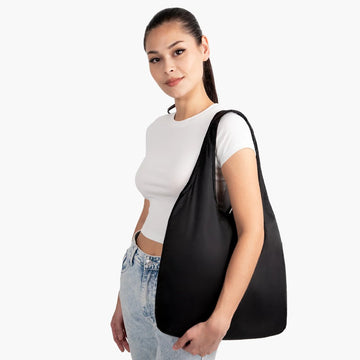
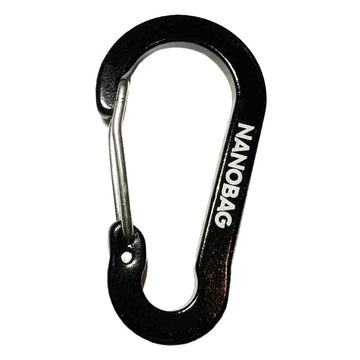
The fix is not willpower. It is placement. A bag that lives in your coat pocket or clips to your keys is a bag you will actually use. This is the principle behind ultralight, pocket-sized reusable bags designed specifically to be carried without thinking. Nanobag's range of ultralight reusable shopping bags compresses into an attached integrated pouch small enough for any pocket, so there is never a reason to leave without one.
The United Nations Environment Programme reports that one million plastic bottles are purchased worldwide every minute. Most are single-use, and a plastic bottle that is incorrectly disposed of can take up to 450 years to break down. Over the course of a year, a single person who buys bottled water daily generates hundreds of bottles of waste.
A stainless steel or glass water bottle pays for itself within weeks and eliminates hundreds of plastic bottles from your annual footprint. Fill it before leaving home so you are never caught without water, and refill it at taps, fountains, or refill stations throughout the day.
Plastic straws and single-use cutlery are among the most commonly found items in coastal and marine cleanup events, and they are also among the most unnecessary. Most of us do not need a straw. For those who do, bamboo, stainless steel, and glass alternatives have been widely available for years.
Making a habit of requesting no straw when ordering drinks, and carrying a compact utensil set in your bag or car for takeout meals, are simple ways to cut this waste. Saying no upfront is easier than trying to refuse items already placed in front of you, so make it a reflex to ask before you are handed them.
Paper coffee cups are not recyclable in most municipal systems. They are lined with a thin plastic coating that cannot be separated from the paper during standard recycling. Billions of them are disposed of every year, ending up in landfills rather than being recovered.
A reusable travel mug is a straightforward solution. Many coffee shops now offer a small discount when you bring your own cup, which means this habit saves you money as well as reducing waste. If you buy coffee twice a week, you will prevent over 100 cups from going to landfill in a year.
The produce section of most supermarkets is one of the largest sources of unnecessary plastic in a weekly shop. Clear plastic bags for apples, bananas, carrots, and other items that clearly need no protection. Reusable mesh or cotton produce bags are a direct replacement, or you can simply place loose items directly into your basket.
Buying in bulk wherever possible and looking for foods in glass or metal containers rather than plastic packaging reduces packaging significantly. Farmers markets are an excellent option for plastic-free produce, as items are typically sold loose or in paper.
Plastic cling film is not recyclable and contributes significantly to household plastic waste. Beeswax wraps, silicone food covers, and reusable silicone bags are all effective replacements for storing leftovers, covering bowls, and wrapping sandwiches. They last for years with basic care and can be washed and reused hundreds of times.
Glass jars from pasta sauces or other packaged foods can be repurposed as storage containers, since plastic is designed to be durable and can often outlast the single use it was originally intended for.
Liquid soaps, shampoos, and conditioners typically come in single-use plastic bottles that are often too small or contaminated to be recycled. Bar versions of these products have improved enormously in recent years and are now available for hair, body, and even shaving. They last longer per gram than their bottled equivalents and produce no plastic packaging.
The shift to bar products is one of the lower-effort swaps on this list since it requires no change in behavior, only a change in what you put in your shower or at your sink.
Takeout food packaging is one of the most consistent sources of single-use plastic waste in daily life. When ordering online or by phone, it takes 10 seconds to add a note asking for no plastic cutlery, no straws, and no plastic bags. That one line prevents several pieces of plastic from being produced and disposed of for a single meal.
If you eat out regularly, carry a small reusable container so you can take leftovers home without needing a plastic box. When you encounter a restaurant that has already removed single-use plastics, let them know you appreciate it. Consumer feedback drives business decisions faster than many people realize.
A large portion of the plastic in a typical weekly shop is packaging for small quantities of dry goods: rice, pasta, nuts, cereal, spices, and pulses. Buying these items from bulk bins using your own containers or cloth bags eliminates this packaging entirely. Bulk buying also reduces cost per unit, so the environmental benefit comes with a financial one.
Where bulk stores are not available, choosing the largest available size of a regularly used product reduces the ratio of packaging to product. Even resolving to buy just one commonly purchased item differently each month can remove dozens of plastic packages from your annual footprint.
The most powerful habit on this list is not a physical swap but a moment of awareness. Most people significantly underestimate how much plastic enters and exits their life each week. A simple exercise is to track your plastic use for seven days by writing down or photographing every piece of plastic you generate. The act of logging makes it visible in a way that abstract awareness of plastic pollution simply does not.
Once you can see it clearly, you can start to eliminate the easiest items first. You do not need to achieve zero plastic. Reducing by 30 or 40 percent in the first month is a meaningful and realistic outcome, and it compounds as each new swap becomes automatic.
There is a common and understandable frustration that individual consumer choices feel insignificant when corporate and industrial plastic production continues at scale. It is clear that most plastic pollution comes from industrial sources, and that systemic change is essential. But individual choices shape markets. When consumers consistently choose plastic-free options, companies respond by offering them. Plastic bag bans across multiple US states and EU member states exist partly because consumer sentiment made them politically viable.
According to Our World in Data, around one quarter of all plastic waste is mismanaged, meaning it is not recycled, incinerated in controlled facilities, or stored in sealed landfills. This is the fraction that reaches rivers, coastlines, and ultimately oceans. Reducing what you generate at the source is the most direct way to reduce this fraction. Recycling is important but it is not a solution on its own. Less than 9 percent of all plastic ever produced has been recycled.
The 10 habits in this guide focus on what you can control today. None of them require waiting for policy change or corporate accountability. They require only a slightly different choice in a moment you encounter every day.
Share:
Nanobag Featured in BuzzFeed's 2026 Tested & Loved List
The Ultimate Packing Light Guide for Carry-On Only Travel