
- by Ursus Negenborn
Ripstop Nylon vs Cotton: Which Lasts Longer?
- by Ursus Negenborn
Ripstop nylon and cotton are two of the most common materials used for reusable bags, and they behave very differently in daily use. Cotton is heavier, absorbs water instead of shedding it, and stretches over time under repeated load.
Both materials have their place, but the differences matter when you are choosing a bag you plan to use every day for years. Here is the honest comparison.
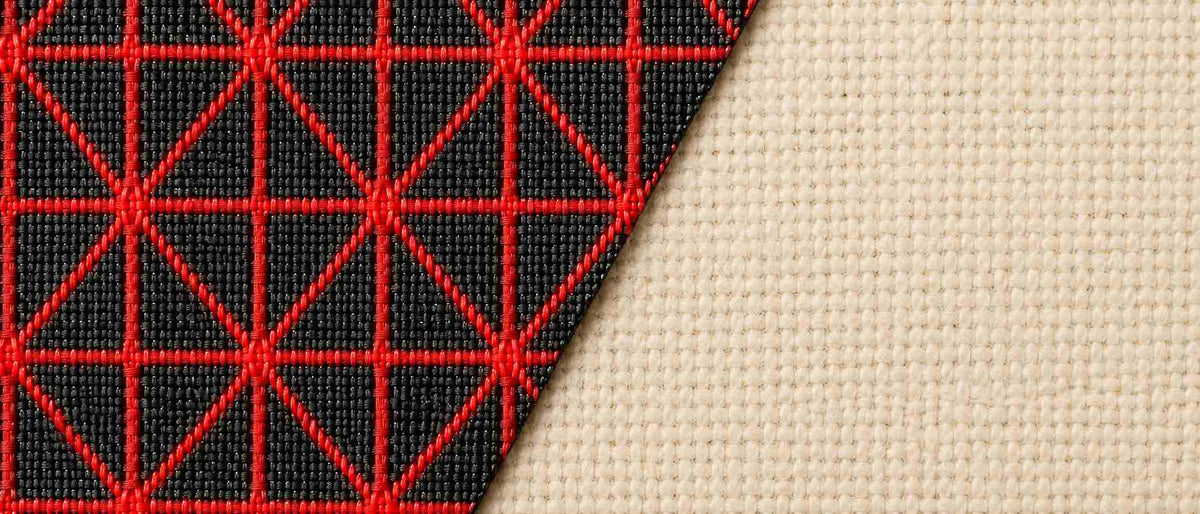
Ripstop nylon is a synthetic fabric made from nylon fibers woven in a diamond or crosshatch pattern, with reinforcement threads at regular intervals that stop small tears from spreading. Nylon is already one of the strongest lightweight synthetic fibers, and the ripstop weave adds a second layer of tear resistance on top of that base strength.
Ripstop nylon was originally developed for military parachutes and outdoor equipment where weight and tear resistance both mattered. In the last decade, the fabric has moved into reusable bags, where the same properties translate directly into a bag that lasts longer under everyday use.
Nanobag uses a custom diamond ripstop nylon at 0.05mm thickness with a PFC-free water-repellent coating across the entire lineup. This is the fabric that lets a Nanobag weigh less than an ounce while carrying up to 66 lb (30 kg), the combination that separates a well-engineered ripstop nylon bag from a generic one. For a deeper look at how the weave works, see the guide to diamond ripstop fabric.
Cotton for reusable bags is usually a woven canvas or a lighter cotton twill. The fibers are plant-based, absorbent, and heavier than synthetic alternatives at the same fabric thickness. Cotton has been used for shopping bags for centuries because it is inexpensive to produce, easy to print on, and readily available.
Cotton behaves well in some situations and struggles in others. It softens with use, but it also stretches, absorbs spills, and takes a long time to dry after washing. The trade-offs matter more when the bag is used daily.
The three practical differences that separate ripstop nylon from cotton in daily use are weight, water resistance, and portability. These are the areas where the choice actually shows up in how the bag feels to carry.
A typical cotton canvas tote weighs 6 to 12 ounces (170 to 340 grams) empty. A ripstop nylon bag of similar capacity weighs about an ounce (30 grams). That difference sounds small until you carry the bag for hours or pack it into your daily gear. Cotton adds real weight before you have put anything inside.
Cotton absorbs water. A rain shower on the walk home from the store soaks the fabric and the load inside, and the bag has to dry fully before the next use to avoid mildew. Ripstop nylon with a water-repellent coating sheds water rather than absorbing it. A passing shower runs off the fabric, and the interior stays dry through the trip.
Cotton does not compress. A folded cotton tote takes up real space in a bag, drawer, or car, which is why most cotton totes end up staying at home rather than travelling with the shopper. Ripstop nylon folds down small enough to fit in a pocket, which changes the practical availability of the bag. A bag that is with you when you need it works; a bag left at home does not.
Beyond the main three, a few other differences matter over the life of a bag.
Load capacity: Cotton canvas totes typically carry 20 to 40 lb (9 to 18 kg) safely, with the higher range requiring higher-quality canvas and reinforced seams. Ripstop nylon bags with reinforced construction can carry 60 lb or more when engineered for it. For more on how bag load ratings work, see the guide to how much weight reusable bags can hold.
Cleaning: Cotton stains easily and needs frequent washing, which shortens the life of the fabric over time. Ripstop nylon with a PFC-free coating resists stains sticking to the fabric, and hand washing is quick because the material dries in under two hours.
Long-term wear: Cotton stretches under repeated load, and the handles start to droop or deform after months of daily use. Ripstop nylon holds its shape because the fabric does not stretch the way natural fibers do, and bartack reinforcement at the handle attachments prevents deformation at stress points.
Nanobag builds every model in the lineup from custom diamond ripstop nylon, 0.05mm thick, with a PFC-free water-repellent coating. The fabric is paired with bartack stitching at every stress point and double-stitched piping along the seams, which is how the bags reach a 66 lb (30 kg) load rating at under an ounce of empty weight.
The whole Nanobag lineup folds into an attached pouch small enough to fit in a pocket or purse.
The 19L Standard tote covers a full grocery run at 0.90 oz empty.
The 25L XL handles farmers market hauls at 1.05 oz.
The 12L Micro fits corner-store trips at 0.80 oz.
The 19L Sling weighs 0.90 oz and wears as a crossbody for hands-free carry.
The 14L Pack is a drawstring backpack at 0.95 oz for shorter rides and errands where quick access matters.
The 16L Daypack is a zippered backpack with a YKK closure at 1.15 oz for commuter cycling, day trips, and travel.
Every model carries the same 66 lb load rating because the fabric and construction are identical across the lineup.
For daily use, Nanobag is the better choice for anyone who wants a bag that comes with them everywhere. The combination of custom diamond ripstop nylon, bartack reinforcement, and pocket-sized packability makes Nanobag the format that gets used every day, and the 66 lb (30 kg) load rating across every model means one bag handles everything from a corner-store errand to a full grocery run.
Cotton canvas totes still work for planned trips where weight and portability do not matter and the bag lives in the car or by the door. But for daily carry, a Nanobag is the bag that holds up to the way people actually shop.
Share:
How Much Weight Can Reusable Bags Hold? A Realistic Answer
Ripstop Nylon vs Jute: Which Is More Practical?